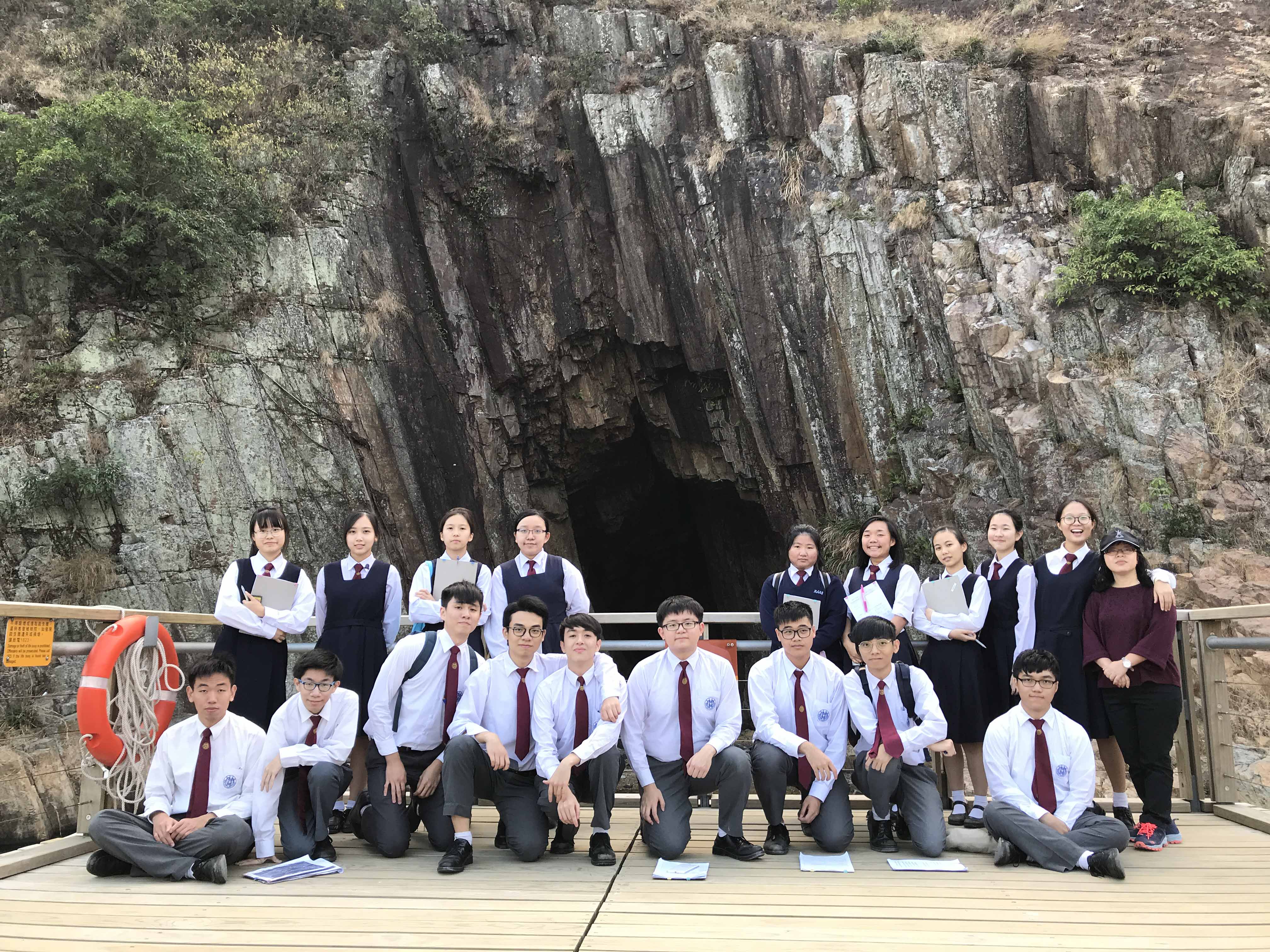
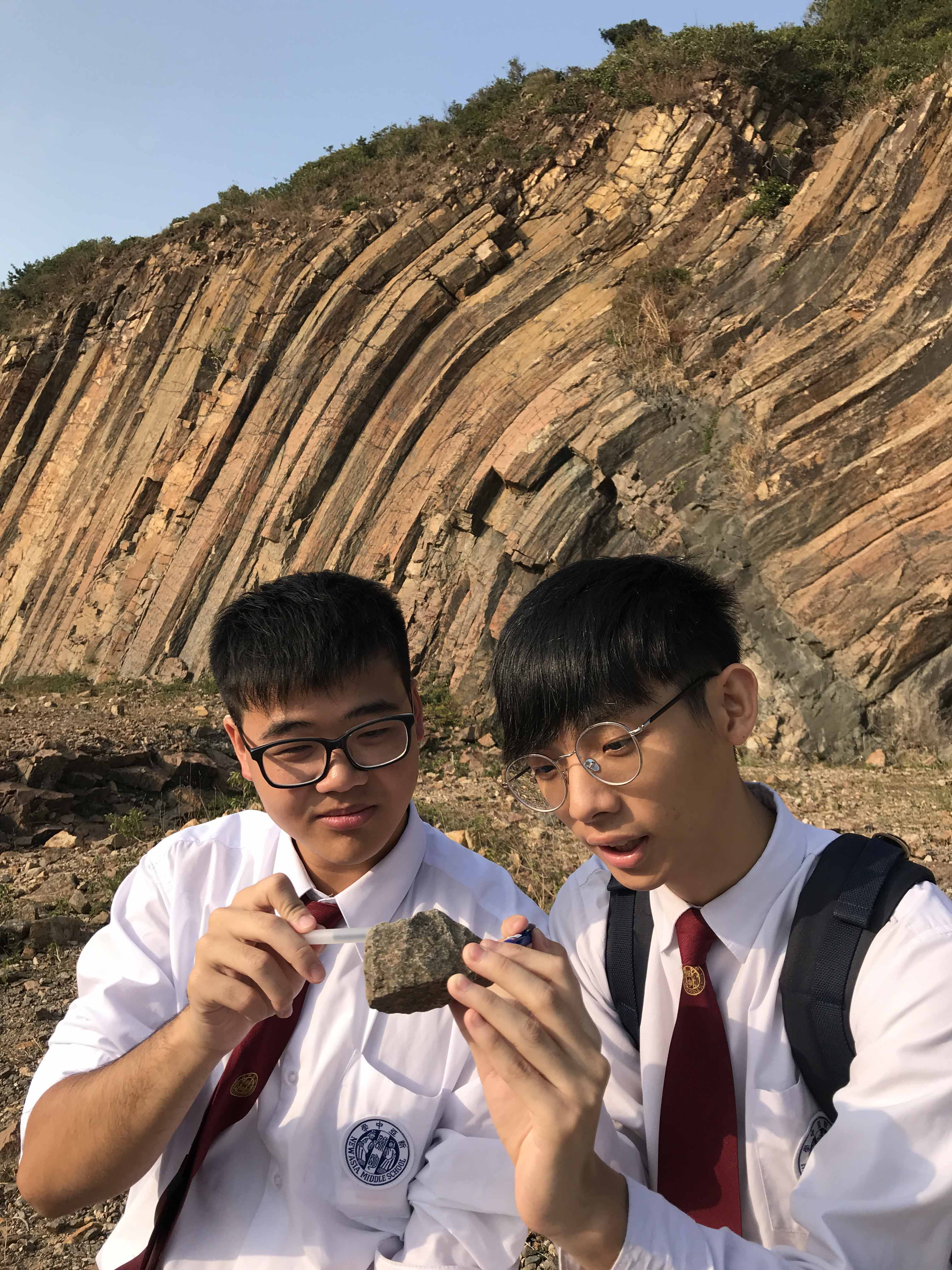
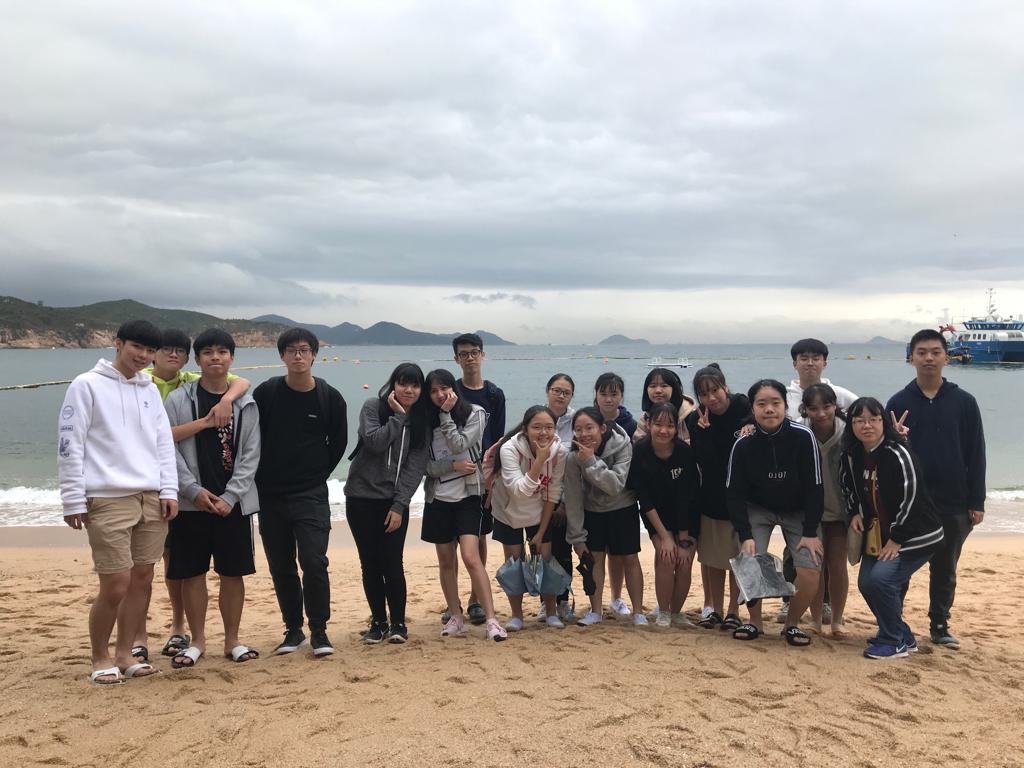
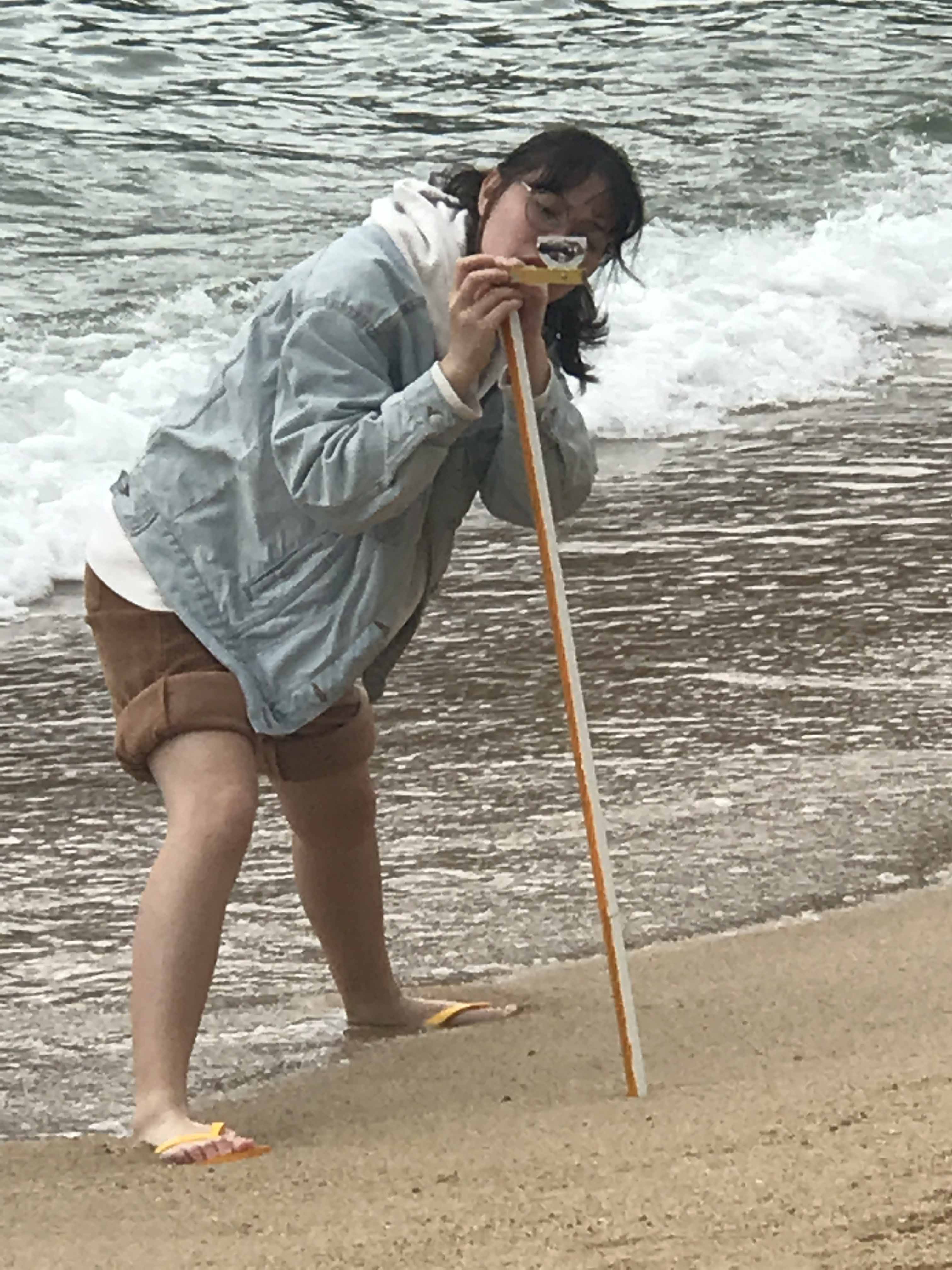
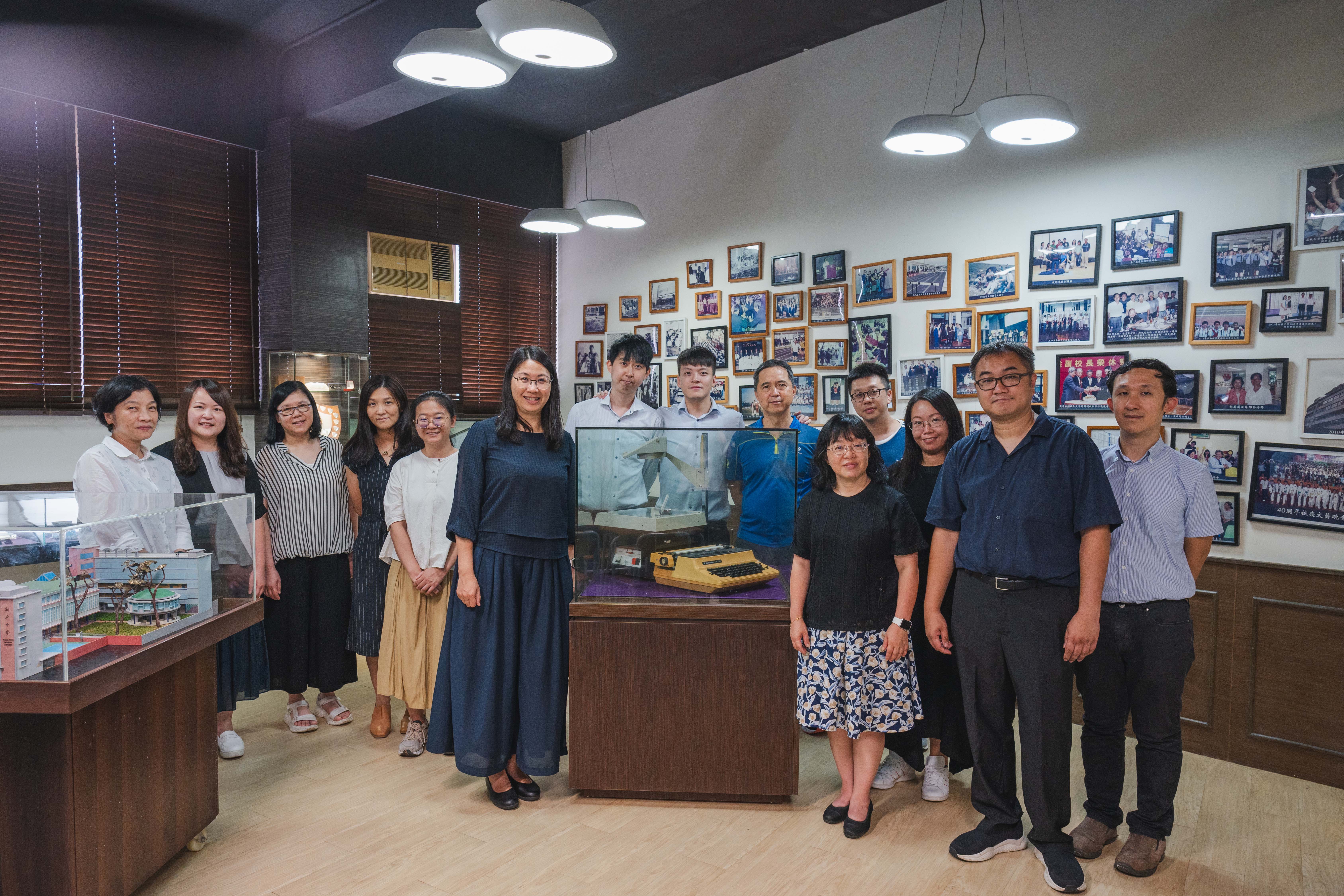
教學團隊
Life and Society
Life and Society is a comprehensive curriculum that includes learning elements such as "Individual and Group Development", "Resources and Economic Activities" and "Social Systems and Citizenship".
This course provides the foundational knowledge, concepts and perspectives to help students achieve the learning objectives set out in the Curriculum Guide for this Key Learning Area and to facilitate their learning in various personal, social and humanities education subjects and civic and social development subjects at the secondary level.
It also helps students to understand themselves from the perspective of individuals and members of society, to give them an understanding of local, national and other parts of the world's economic activities, to encourage students to develop awareness and interest in local and national socio-political systems, and to explore global issues through and world politics, expanding international horizons.
課程理念及目標
- 幫助學生正面認識自己、提升能力以應付日常和未來的挑戰,並會追求目標及抱負
- 幫助學生作出最能適切運用個人及社區資源的決定
- 讓學生成為有識見及負責任的公民,從而對發展公義仁愛的社會作出貢獻
- 培養學生對本地、國家及全球議題的靈敏度、興趣和關注
- 發展相關技能來詮釋和處理經濟指標和反映經濟表現趨勢的數據、統計表及資料
- 能對社會議題作出具識見和合理判斷的能力
Integrated Humanities
Integrated Humanities is a subject within the Personal, Social and Humanities Education learning area. Based on the Curriculum Guidelines compiled by the Curriculum Development Council of the Hong Kong Education Bureau, we provide school-based secondary 1 and secondary 2 students with an appropriate integrated humanities school-based curriculum, covering different learning areas of the curriculum framework of the Personal, Social and Humanities Education Key Learning Areas: "Individual and social development”, “Time, continuity and change”, “Culture and heritage”, “Place and environment”, “Resources and economic activity” and “Social institutions and citizenship”. We offer a variety of learning experiences that allow students to become informed and responsible citizens, willing to contribute to the well-being of society and the country.
課程綱要
中一級
- 古與今人類的需要
- 認識九龍城區
中二級
- 近代歐洲的興起
- 二十世紀香港的成長與發展
- 大灣區
Chinese History
Through studying Chinese history, students understand and care about the past and present of the country and nation, and look forward to the future development direction.
When students study the life experiences accumulated by their predecessors, they cannot only reflect on the various meanings of history, but also strengthen their ability to speculate, understand that what happened today is the extension and progression of what happened yesterday, and then grasp the trend of changes in the world. They also explore the future developments of the country.
Targets
- 建構歷史知識
- 掌握研習歷史的技能
- 培養積極的態度和價值觀
課程內容
初中課程
- 建立歷史思考的環境,探究討論式學習、合作學習、電子學習
- 培訓學生學習技巧
- 中一級:對史前至唐的歷史人物、事件有基本的認識
- 中二級:透過研習宋朝至清朝的史實,建立分析及評價史事的能力
- 中三級:透過研習中國近代史,掌握比較人物及史事的能力
- 提高學生的自學能力,閱讀計劃、電子學習平台、故事習作
高中課程
- 必修部分 - 歷史發展部分
- 選修部分 - 歷史專題部分
Extra-curricular Activities
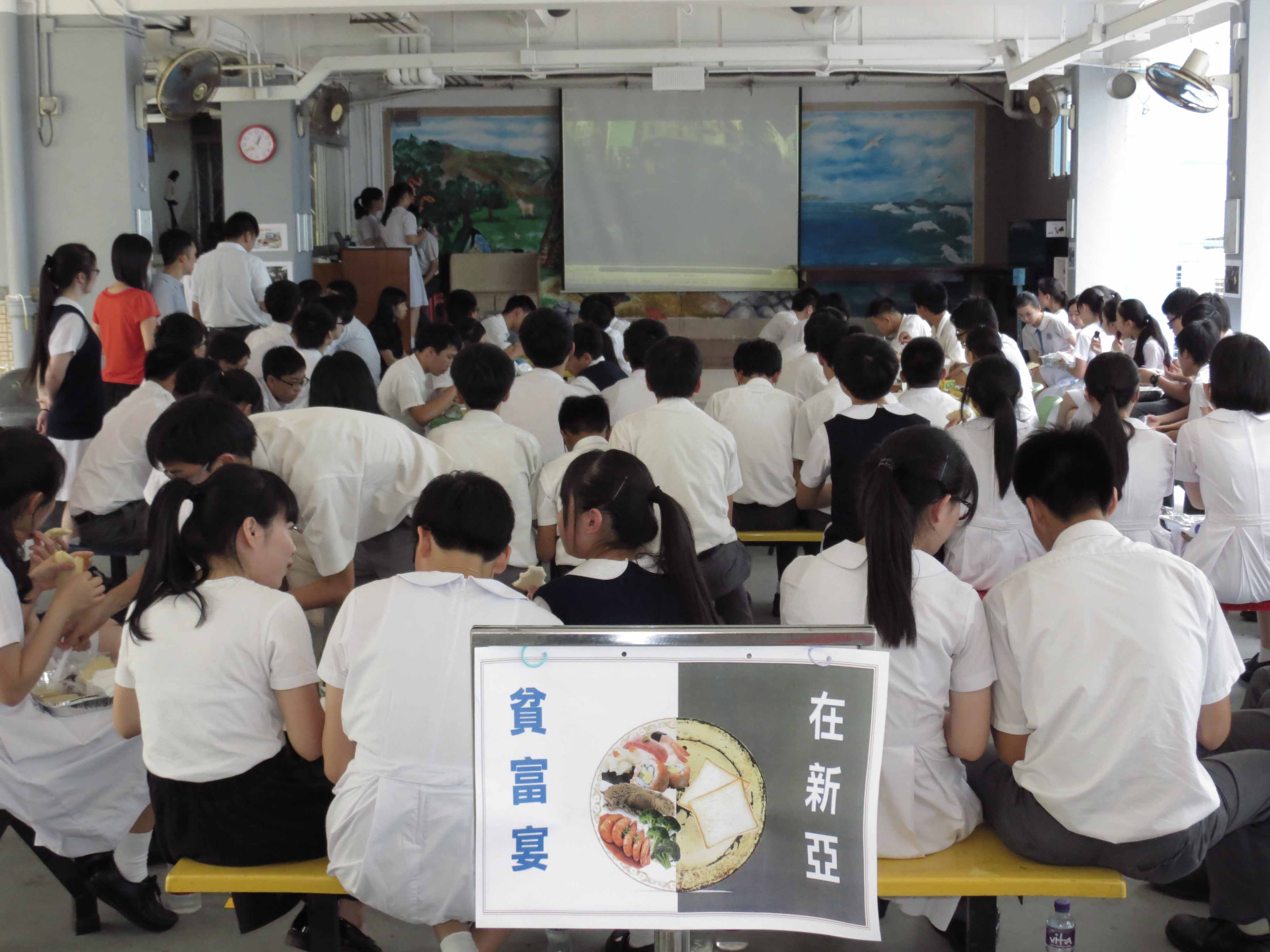
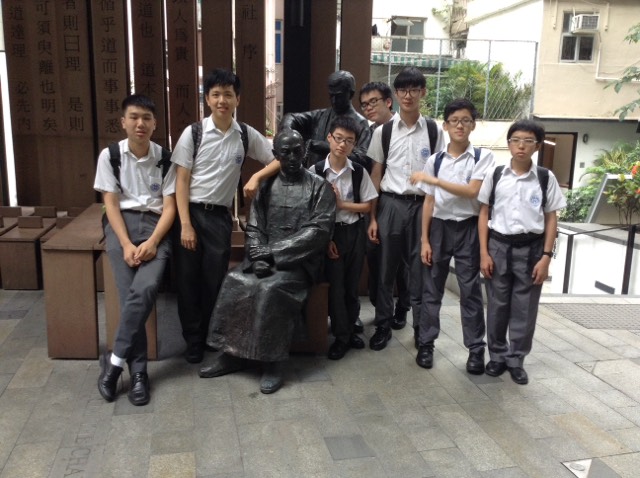
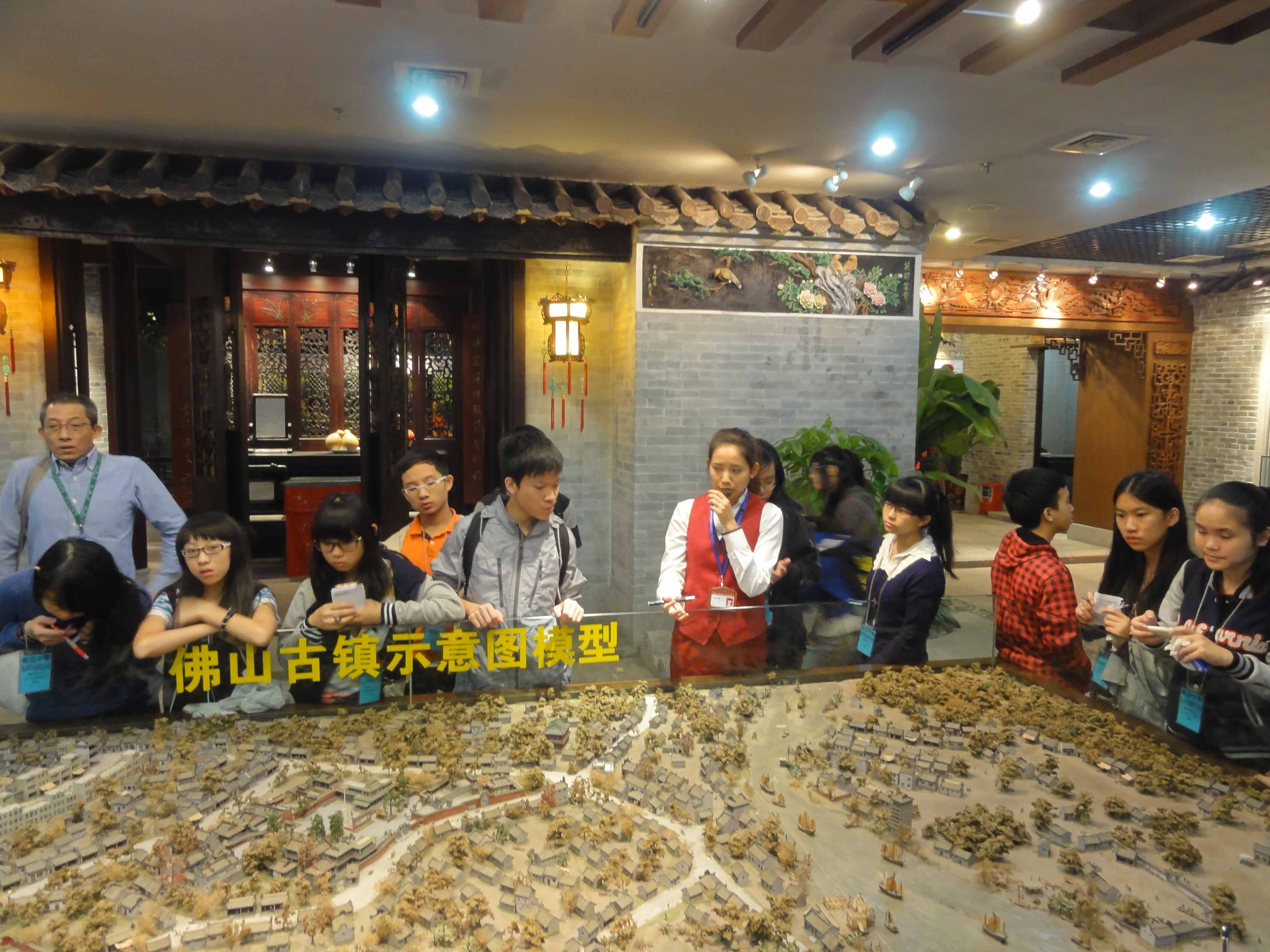
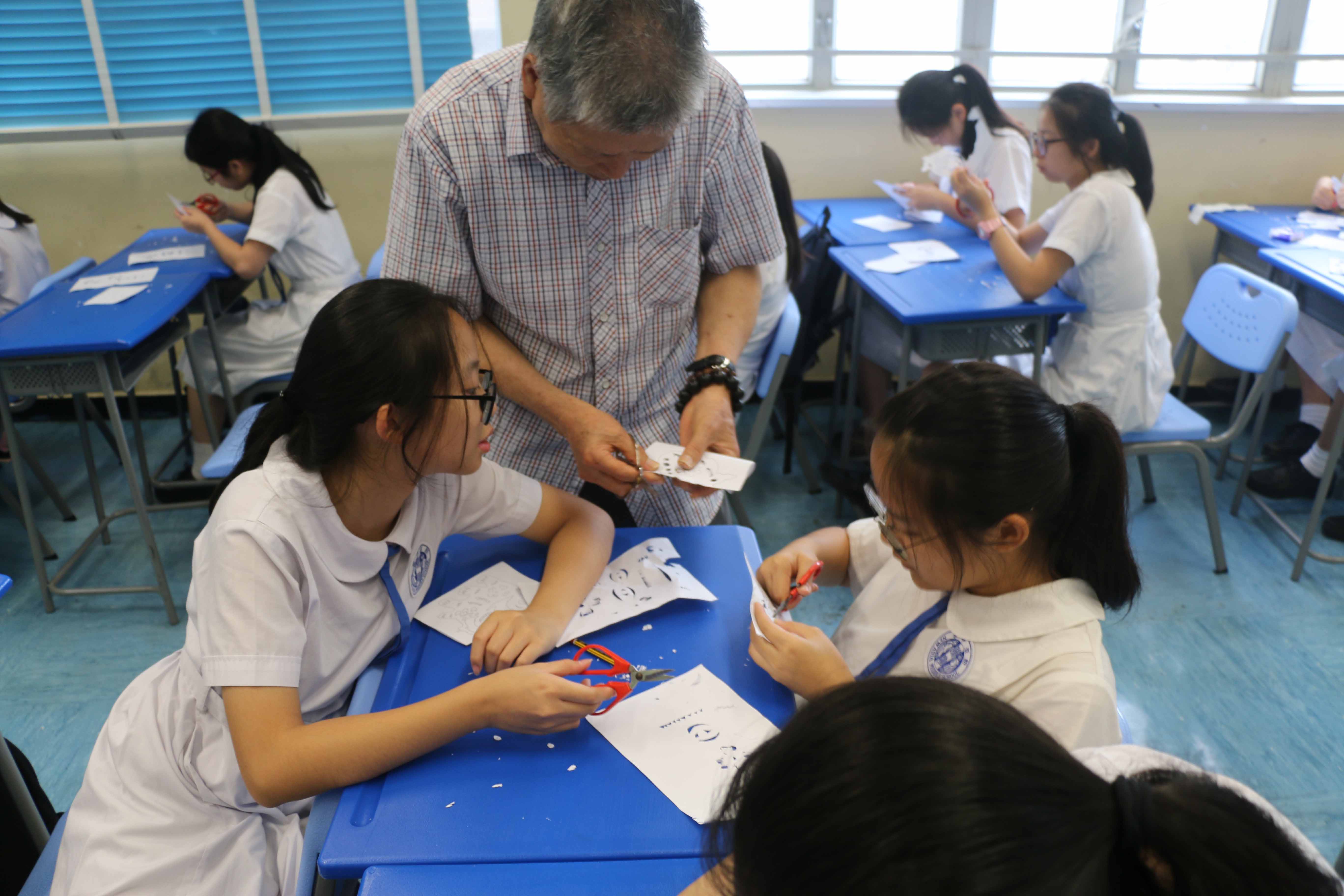
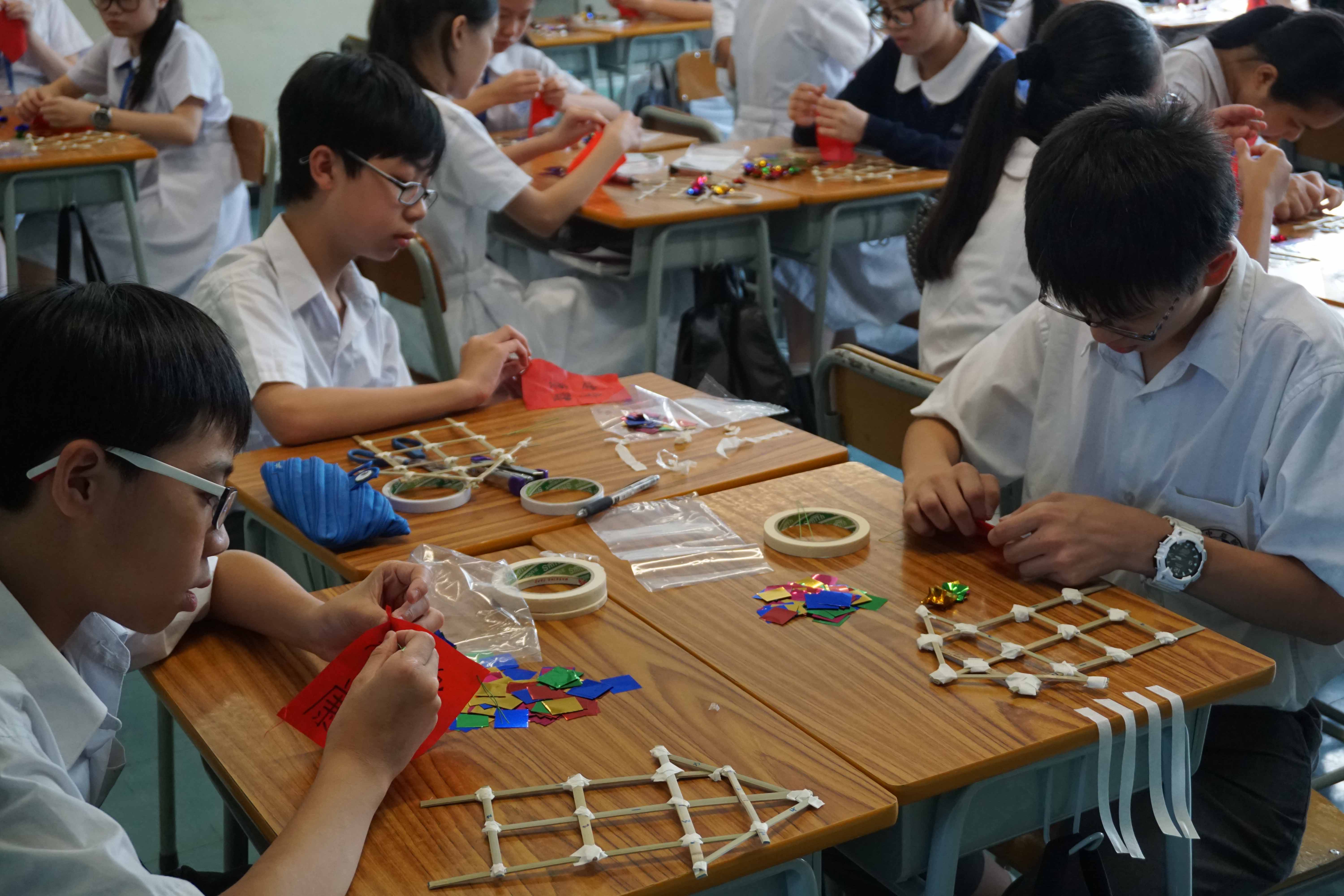
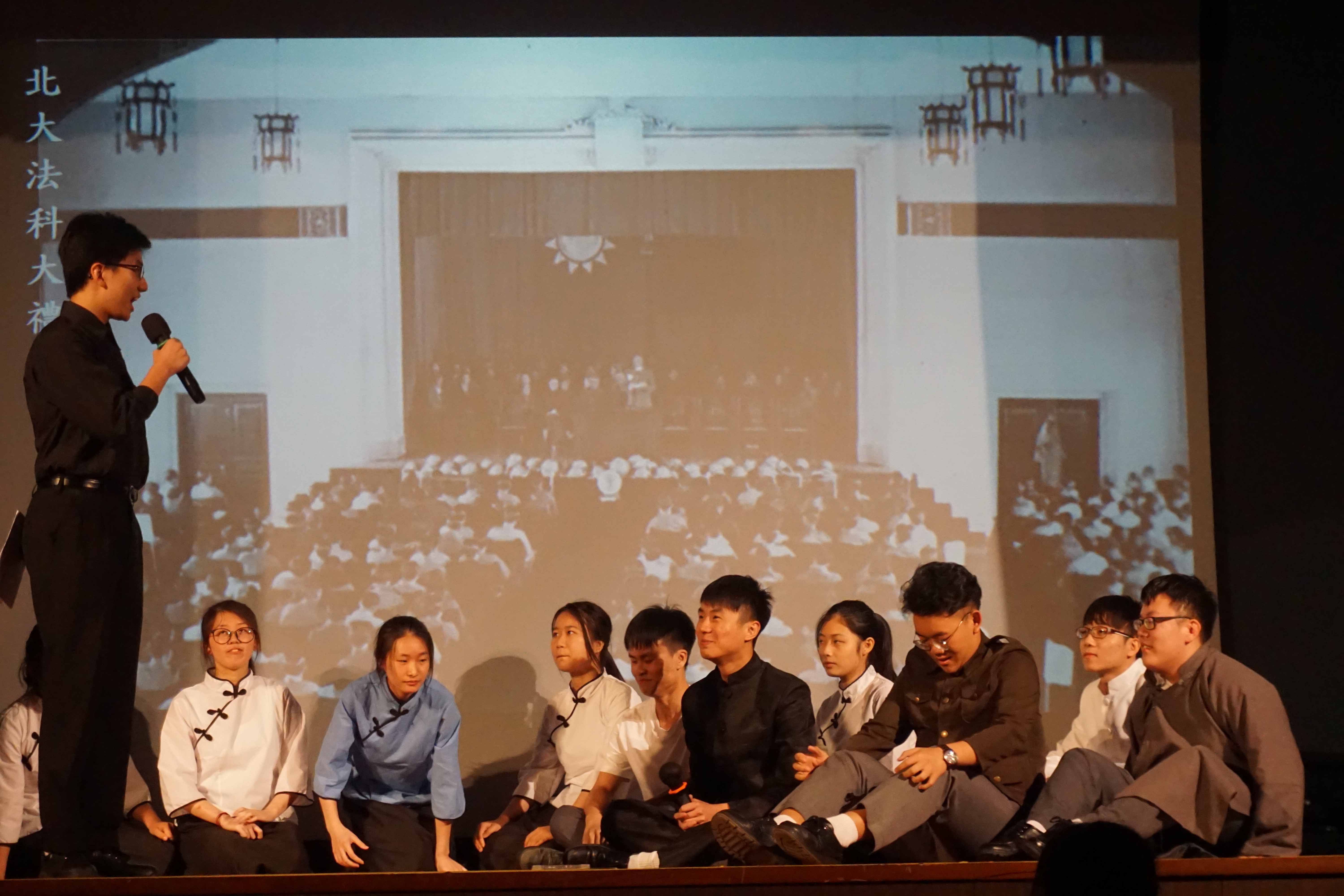
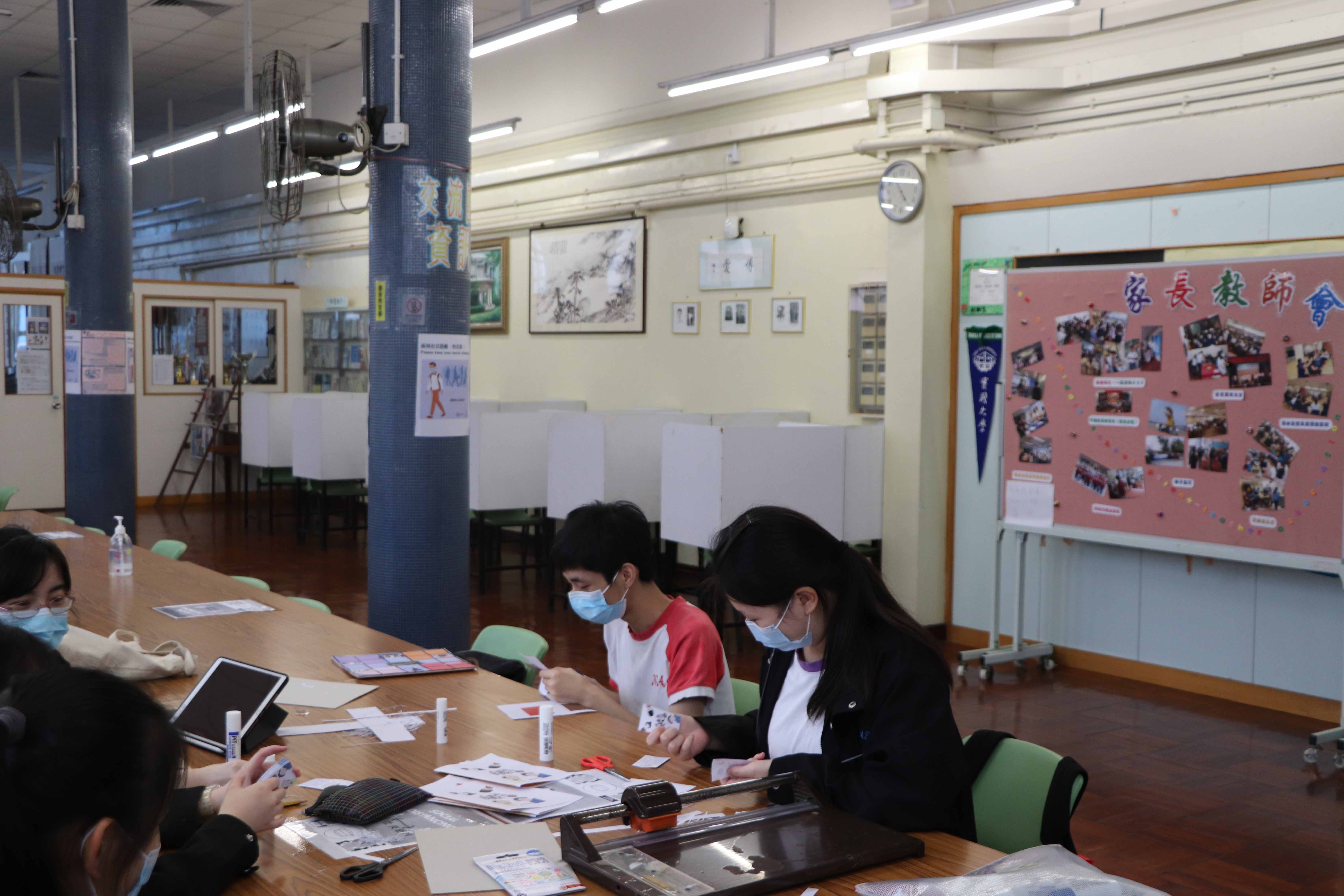
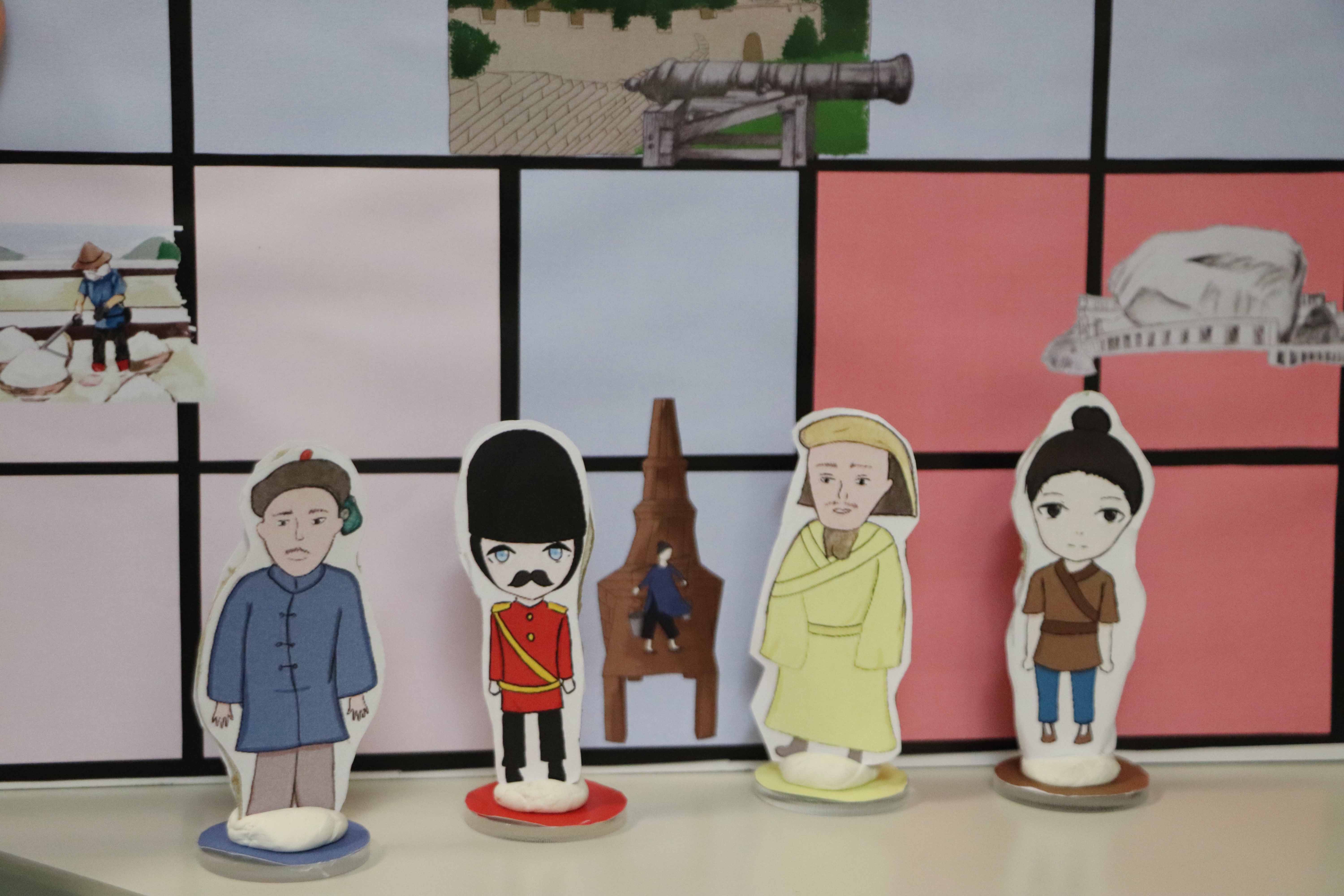
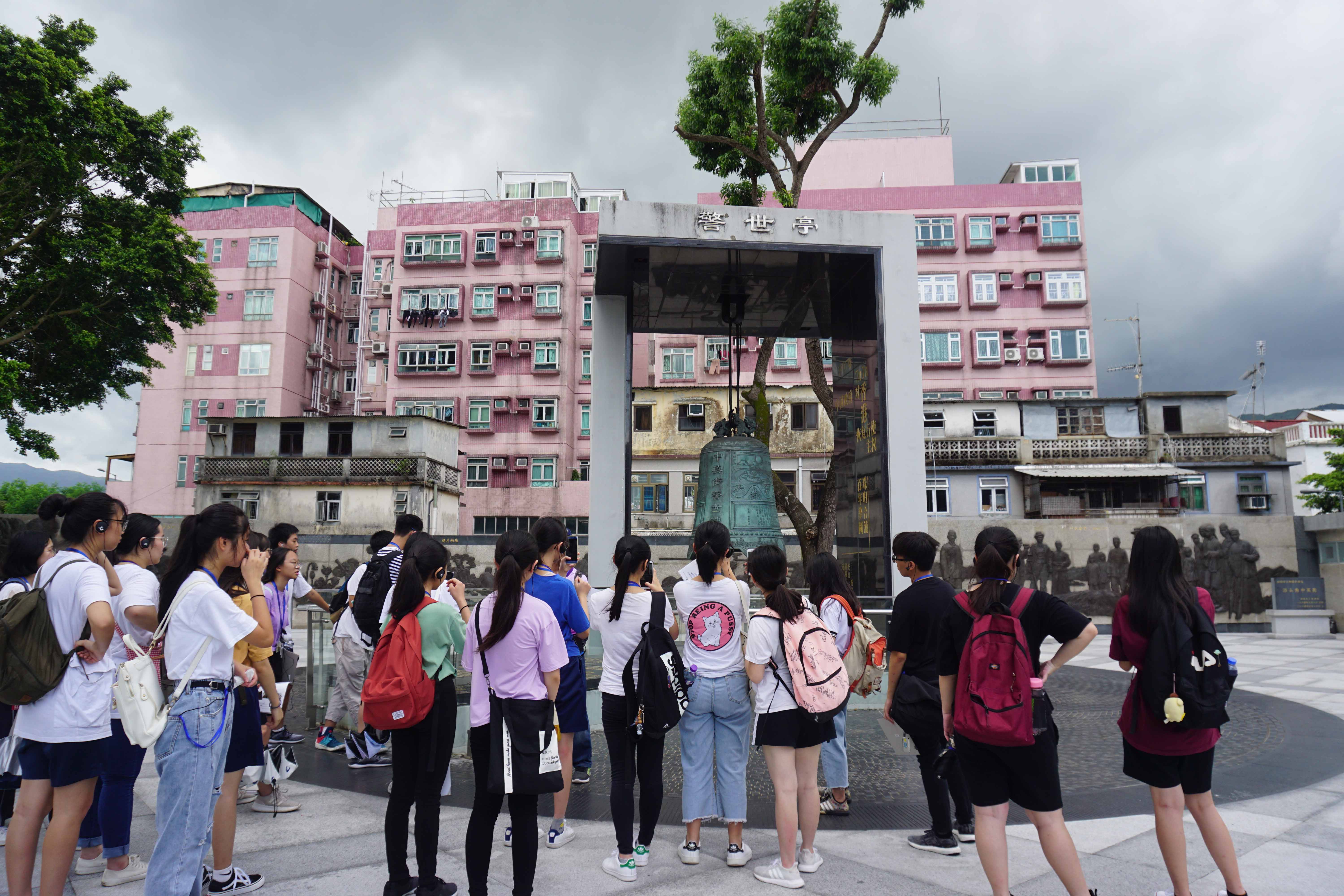
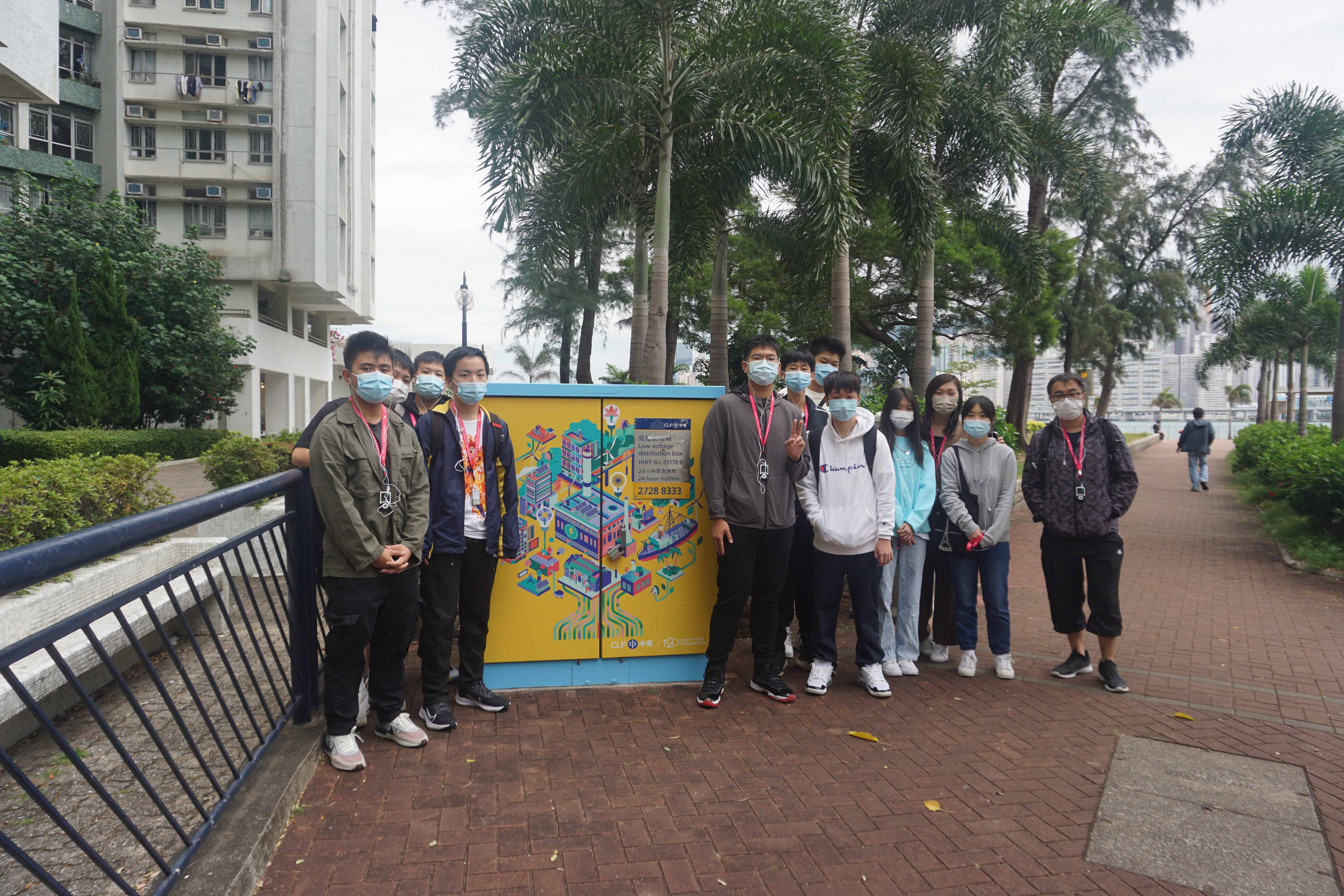
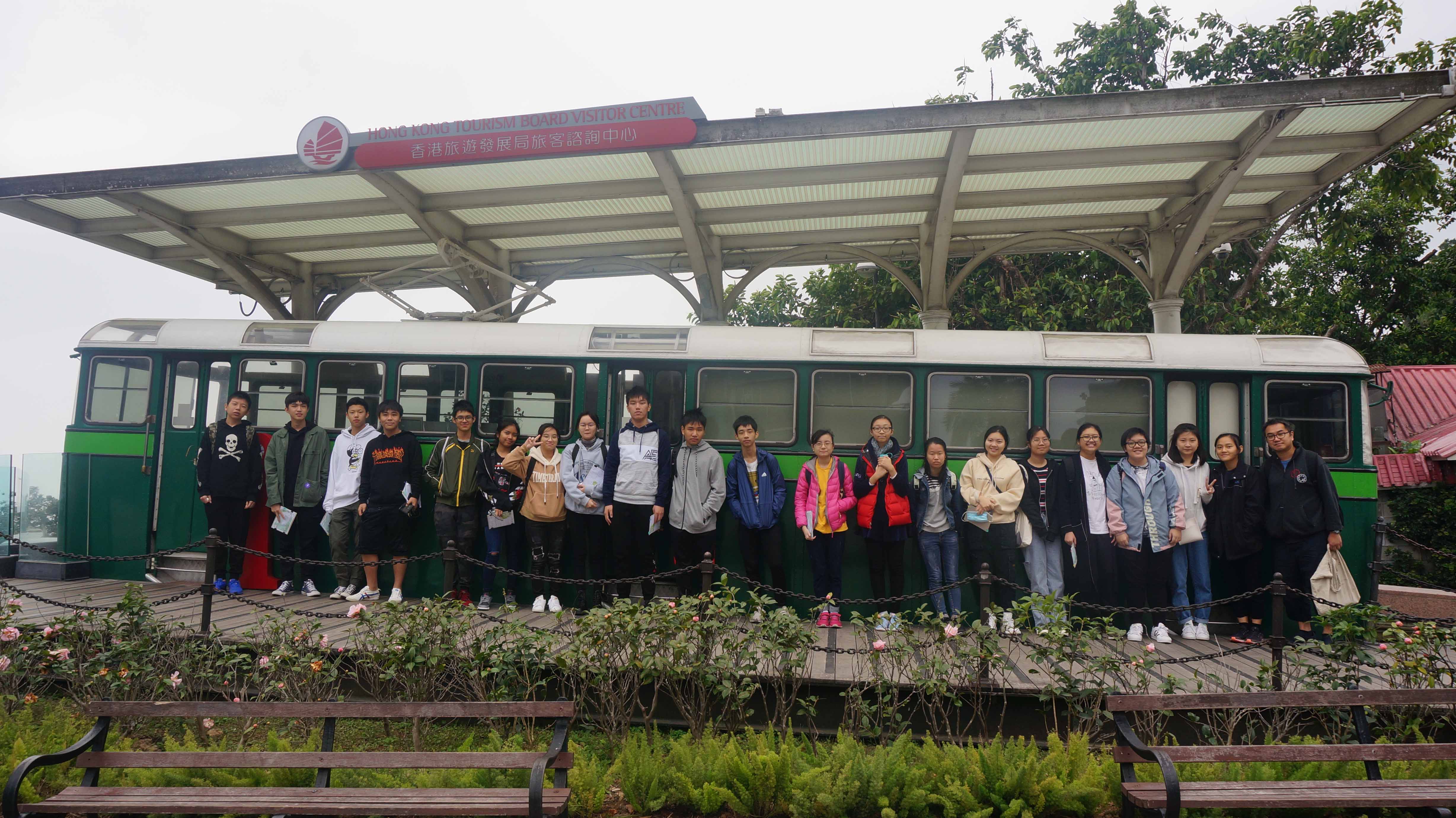
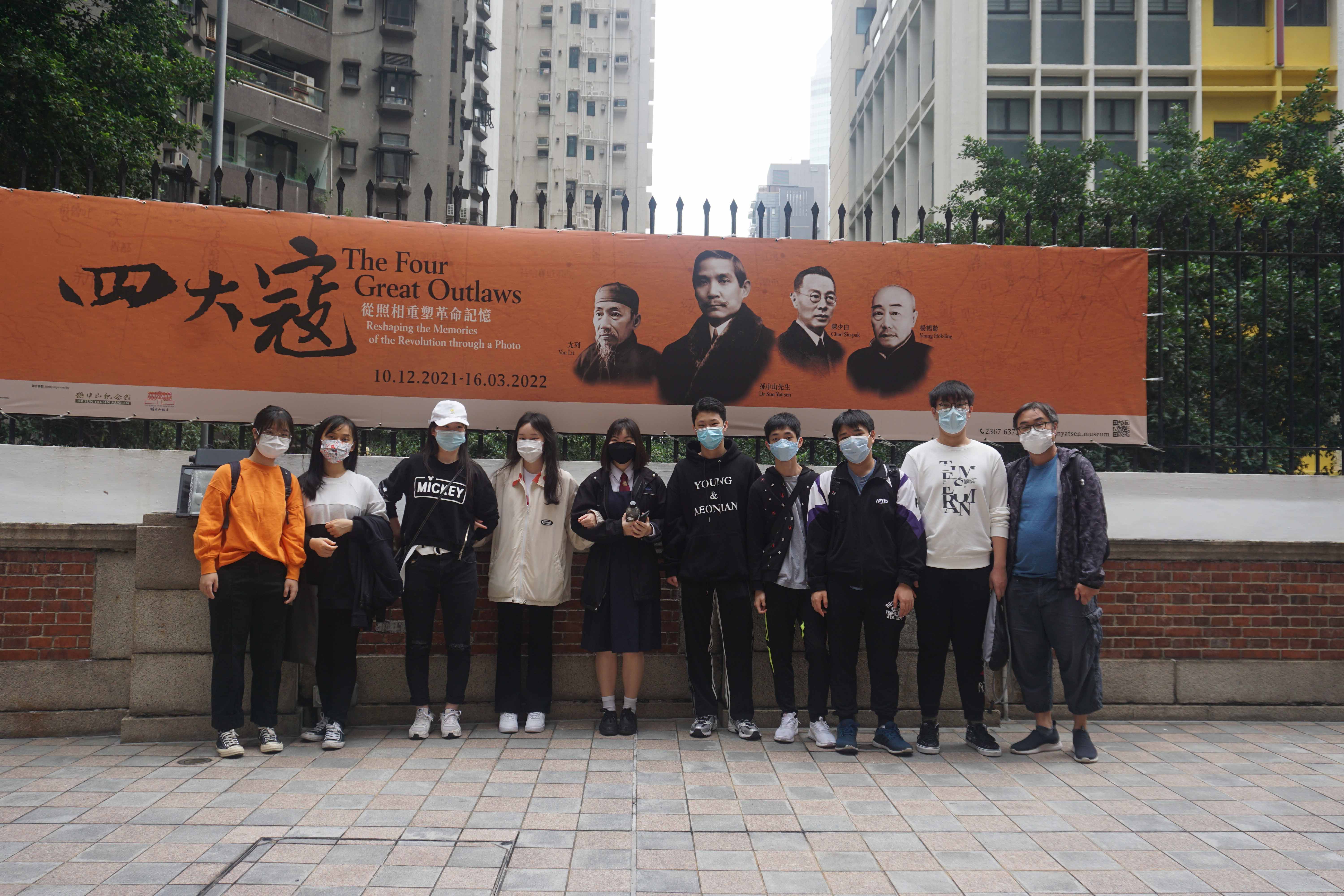
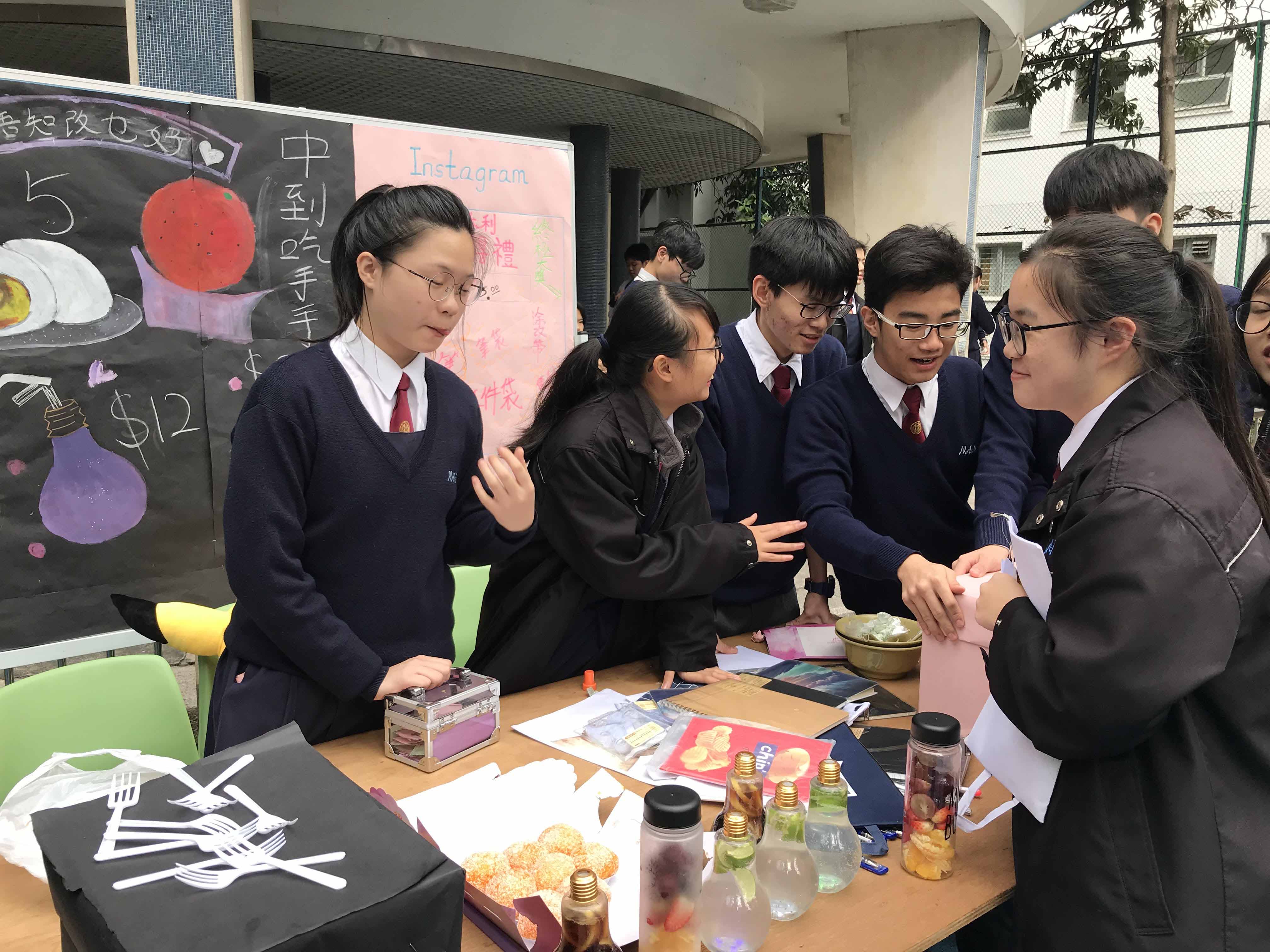
中史科與歷史科定期舉行各種活動,如考察、話劇、製作壁報、話劇及講座等等。
History
Studying history exposes students to cultures around the world, allowing them to discover their own cultural similarities and differences with peoples around the world.
Targets
- 建構歷史知識
- 掌握研習歷史的技能
- 培養積極的態度和價值觀
課程內容
初中課程
本校中一及中二的綜合人文學科融入歷史科內容。
↳ 史前時期至19世紀香港、歐美、伊斯蘭歷史
中三則獨立開設歷史科,以現代世界為主題。
↳ 20世紀至今
高中課程
高中歷史科課程集中在二十世紀的主要發展,因為二十世紀歷史與學生的日常生活關係密切,更能激勵學生自己進行探究。
Extra-curricular Activities
歷史科與中史科定期舉行各種活動,如考察、話劇、製作壁報、話劇及講座等等。
Geography
Geography is a discipline that combines social and natural sciences to help people understand the dynamics of cultural, social and economic systems on the one hand, and changes in the role of natural landscapes and environments on the other.
The Department of Geography focuses on the study of "space", "place" and "environment". When exploring geographical issues, it is usually from "what", "where", "how", "why", "if... What will happen?” These five questions, as the focus of exploration, are also an essential part of developing a framework for geographic inquiry.
Geography aims to provide students with a deeper understanding of the changing world by exploring the interrelationships between people, land and the environment from the perspective of space and environment.
Economics
Economics mainly develops and strengthens students' ability to understand economic phenomena and make effective decisions on economic issues.
Targets
- 讓學生掌握基本的經濟知識和技能,以了解現實生活中的世界,理智地思考經濟議題及負起公民責任,積極參與社會的決策。
- 讓學生了解有關經濟議題的爭論,並尊重私有產權及履行公民責任。
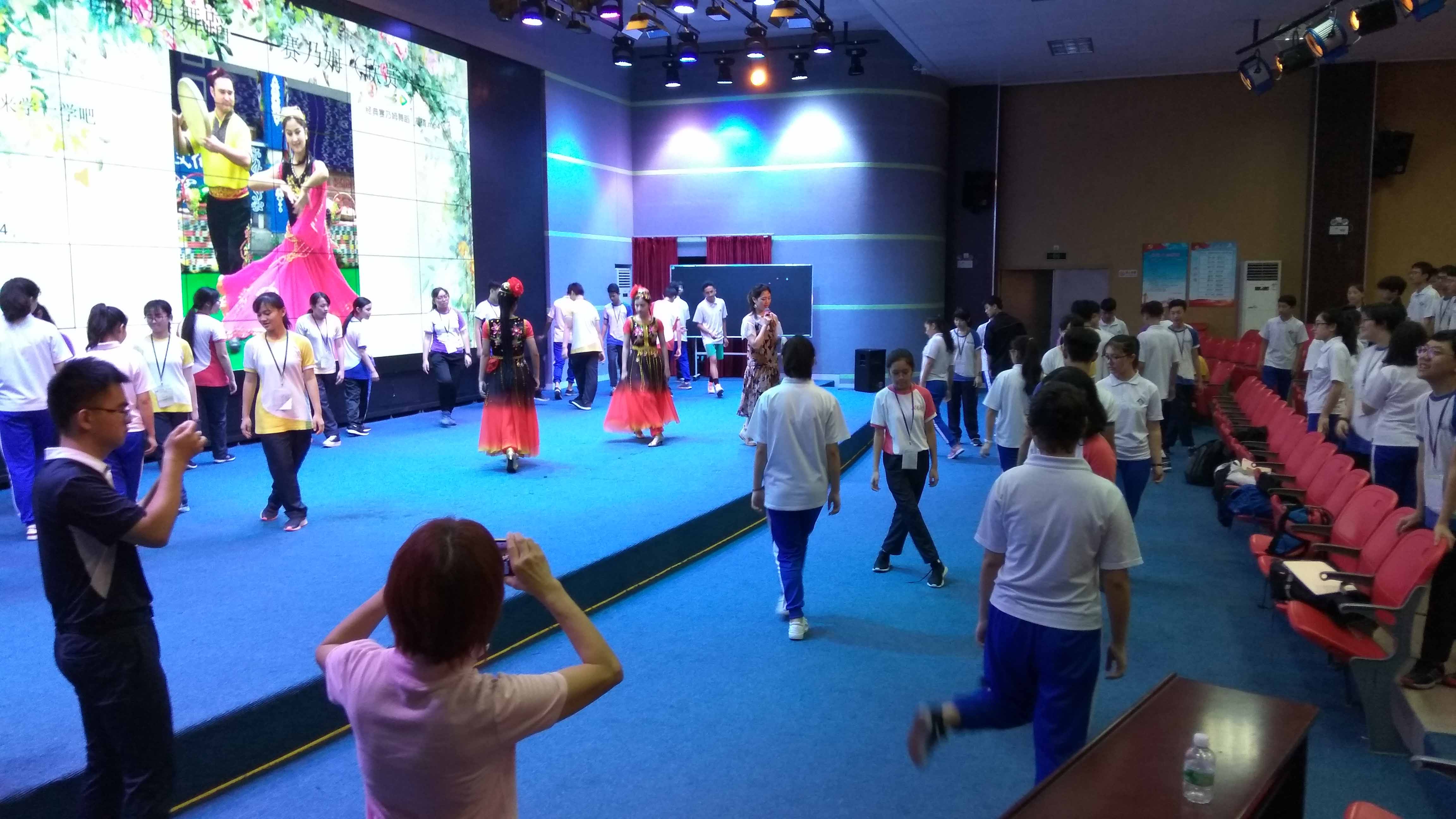
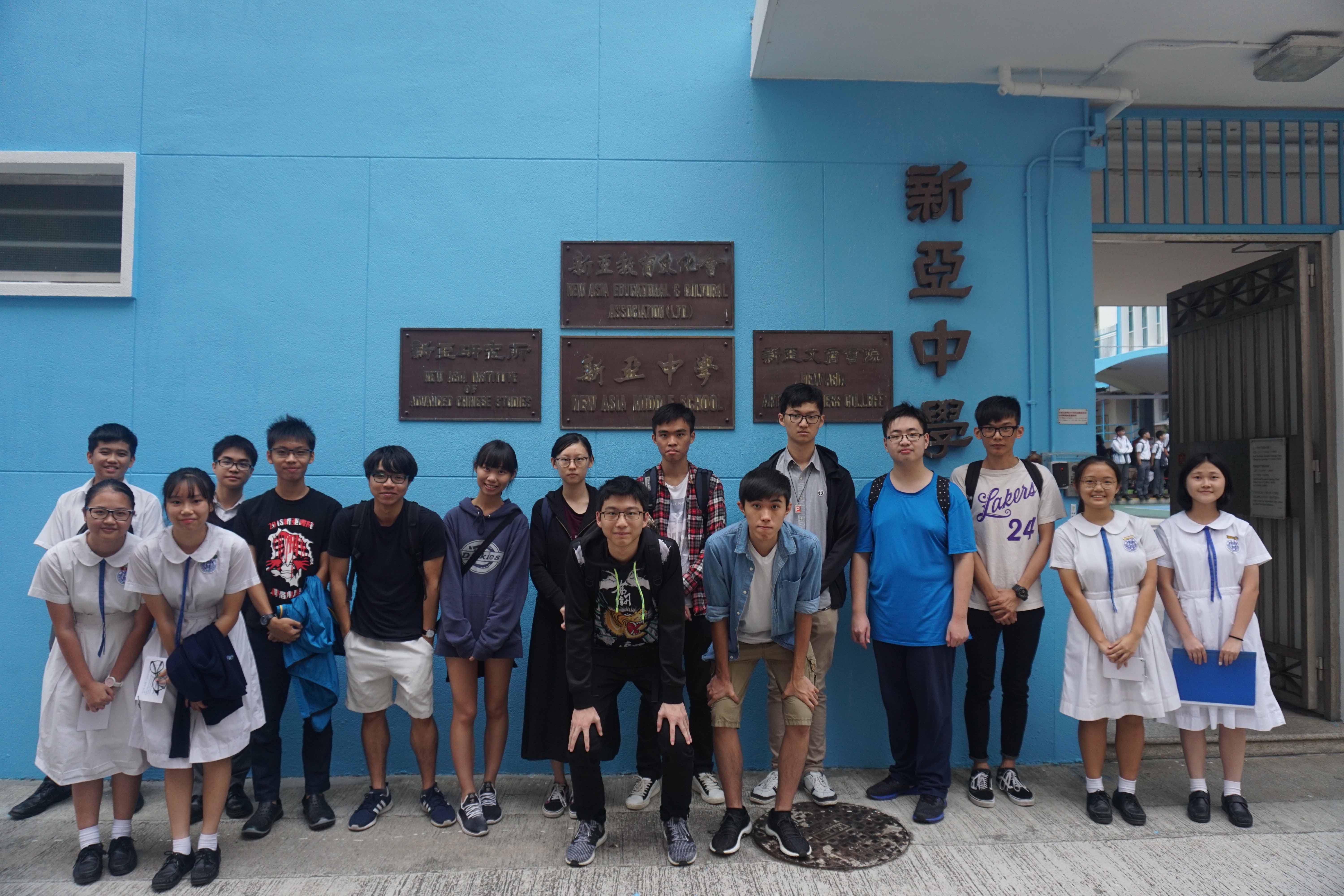
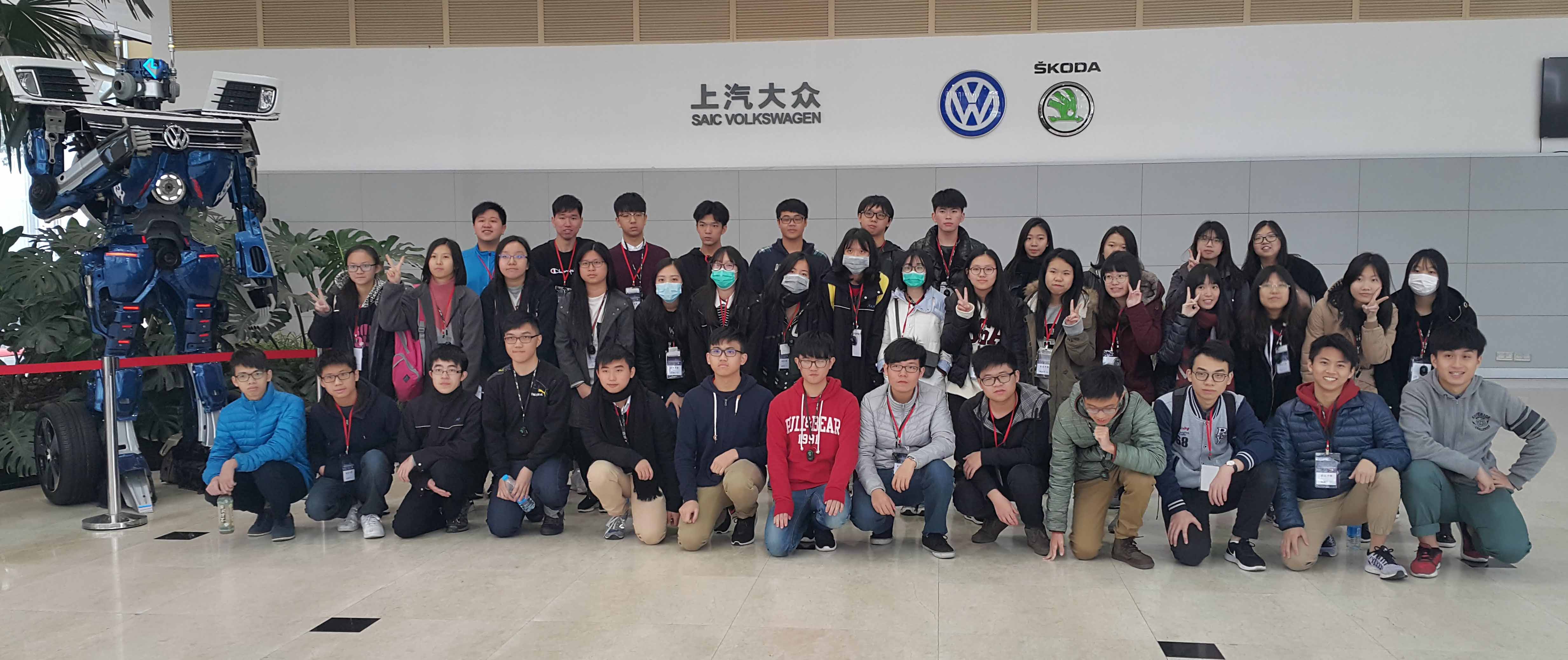
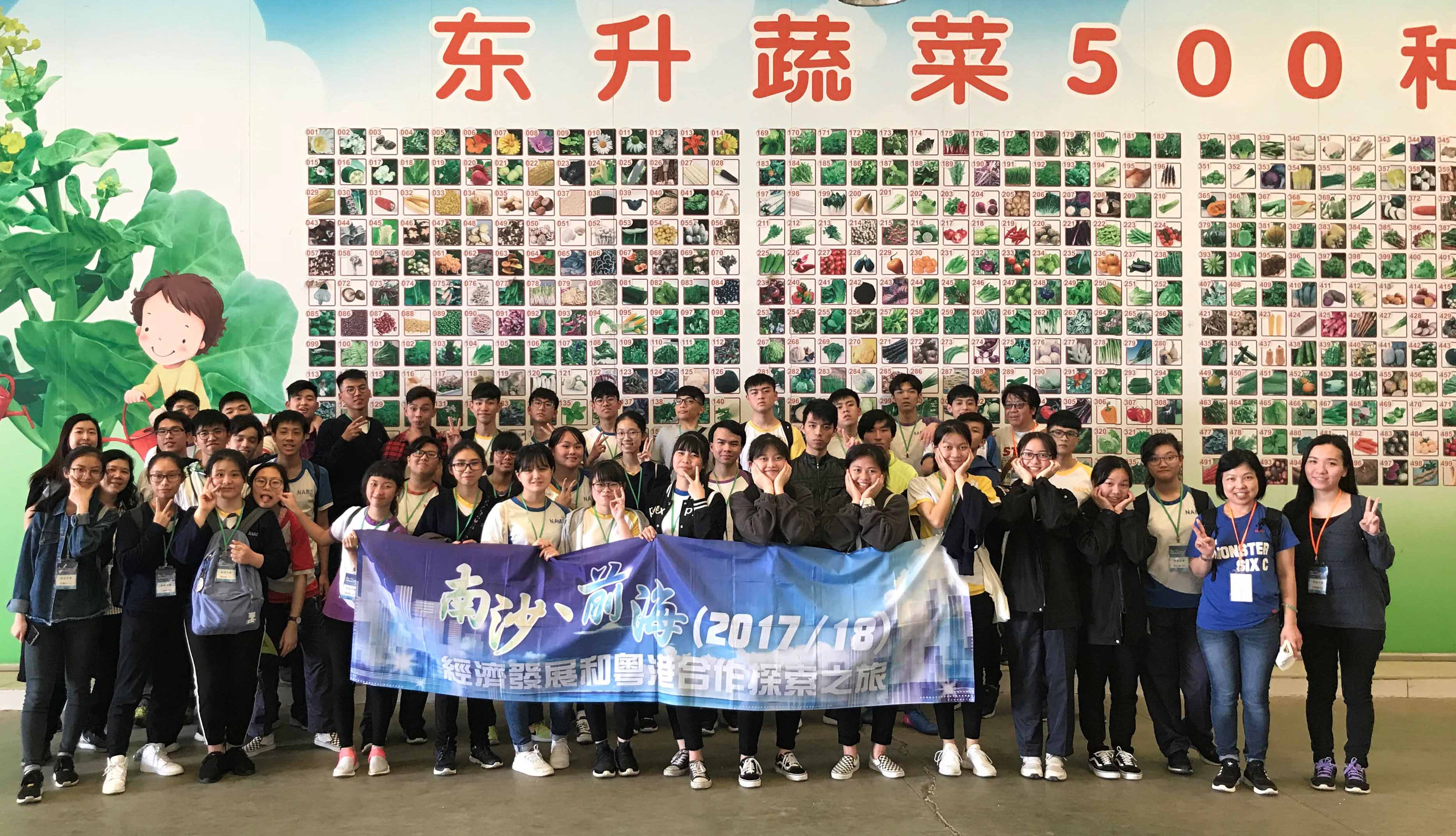
- 透過內地交流活動,例如到南沙前海的經濟發展區考察,參觀創新科技企業,讓學生認識和了解國家透過鼓勵創新經濟發展,以增強國家的經濟競爭力,維護國家經濟安全。
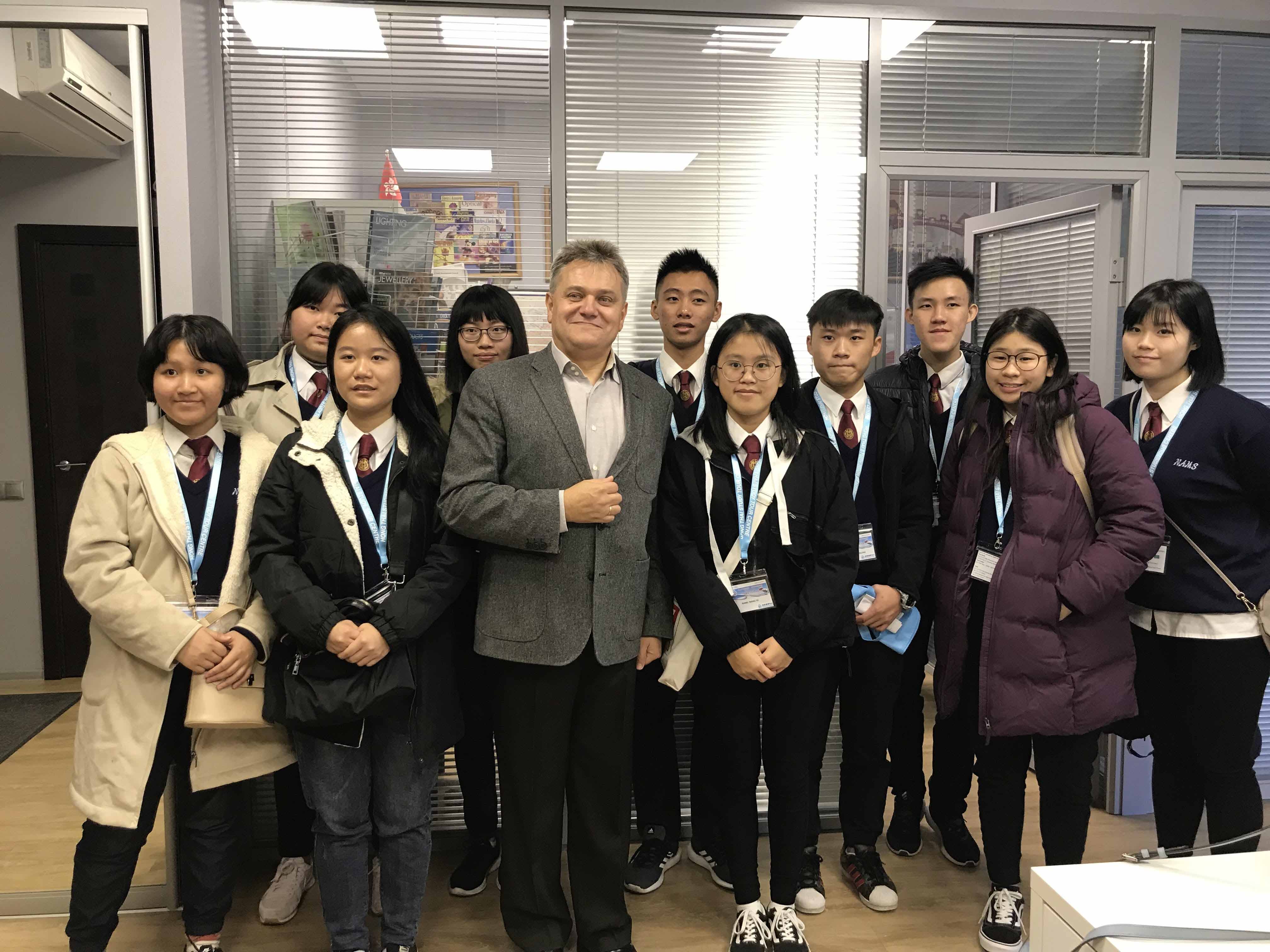
- 透過在俄羅斯的考察,讓年青的新一代認識國家【一帶一路】計劃的戰略構想,為自己未來事業出路作多方探索的準備。





01.jpg)
02.jpg)